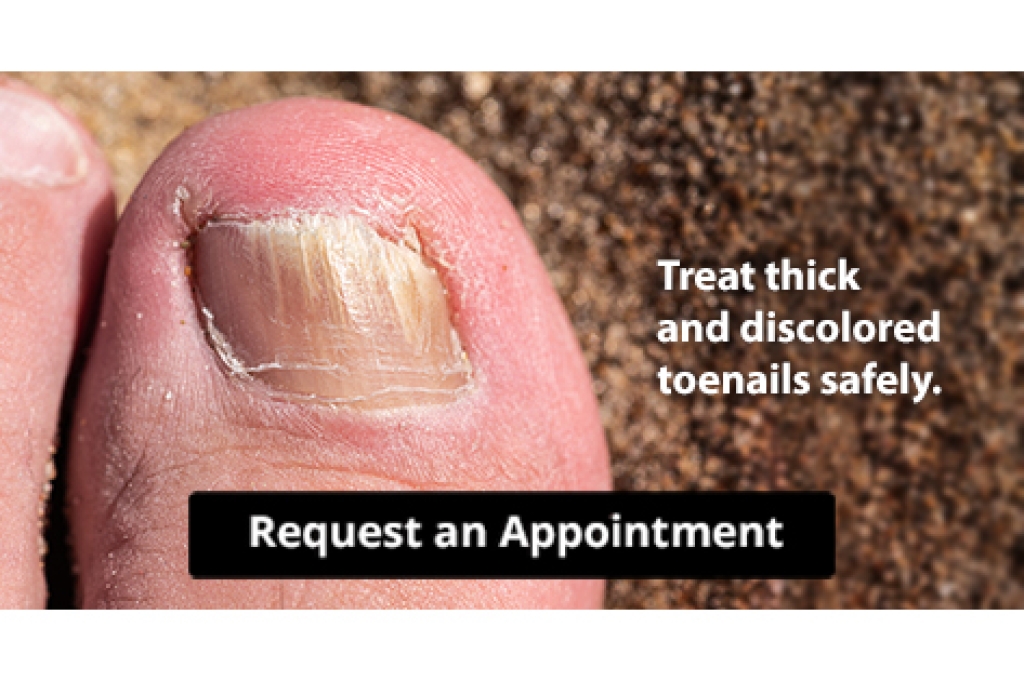
Have you noticed discoloration of your toenails? Have they become thickened or brittle? If so, you may be experiencing symptoms of a fungal nail infection. For some, having a fungal nail can be embarrassing. Overcome your embarrassment, and get treated.
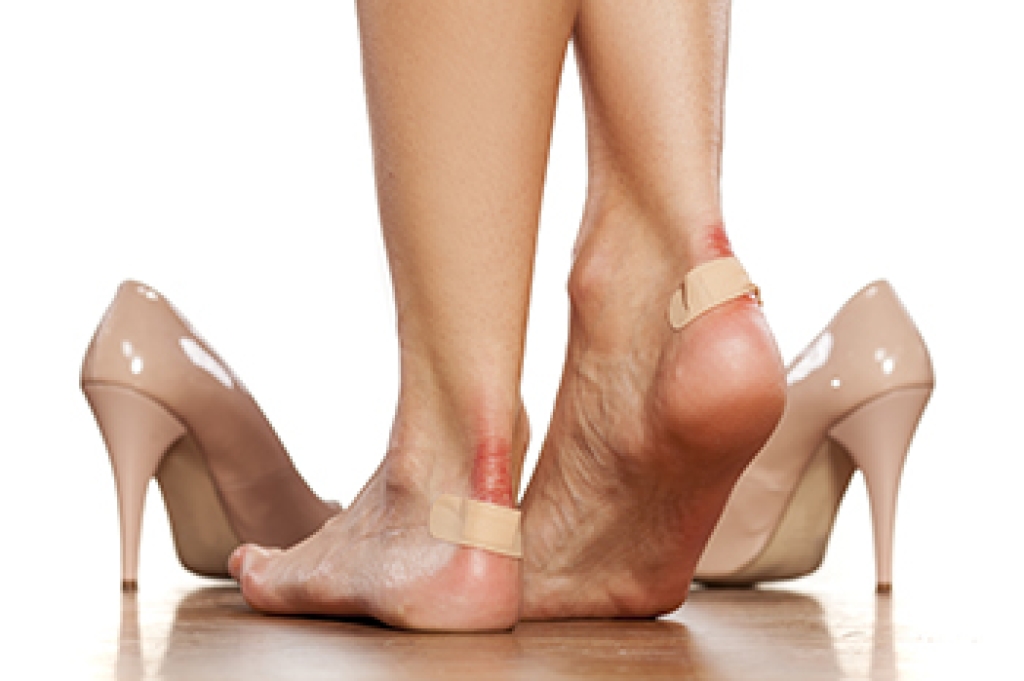
Blisters are raised pockets of skin filled with clear fluid, blood, or pus. On the feet, friction blisters can develop when repeated rubbing or pressure irritates the skin. Wearing shoes that fit too tightly can create this friction, especially around the toes or heels. A blood blister forms in a similar way, but damaged blood vessels cause blood to collect inside the raised skin. Foot blisters can make standing and walking uncomfortable, especially when the irritated area continues rubbing against a shoe. This discomfort can also change the way a person walks.
The skin covering a blister serves as a natural barrier against germs. Breaking that layer can increase the chance of infection and can slow healing. A blister that opens can become more vulnerable to bacteria. Warning signs of infection include pus, swelling, and skin that feels warm. Increased pain or a foul smell can also signal a problem. Fever blisters are different from friction blisters because they are caused by a virus and can spread to other people. They should not be popped because opening them can spread the virus.
A podiatrist can evaluate how foot mechanics contribute to repeated friction and pressure. The examination can assess foot movement, ankle function, and walking patterns. A podiatrist can also look at whether joint restrictions or changes in movement are placing extra pressure on certain parts of the foot. Podiatric care can focus on improving movement and reducing mechanical stress that contributes to recurring irritation. Treatment can include gentle joint mobilization and guided exercises based on the examination findings. A podiatrist can also discuss shoe fit when repeated rubbing appears connected to symptoms. If you have recurring foot blisters, it is suggested that you schedule an appointment with a podiatrist for effective relief and prevention tips.
Blisters may appear as a single bubble or in a cluster. They can cause a lot of pain and may be filled with pus, blood, or watery serum. If your feet are hurting, contact Melissa C. Verde, DPM of Florida. Our doctor can provide the care you need to keep you pain-free and on your feet.
Foot Blisters
Foot blisters are often the result of friction. This happens due to the constant rubbing from shoes, which can lead to pain.
What Are Foot Blisters?
A foot blister is a small fluid-filled pocket that forms on the upper-most layer of the skin. Blisters are filled with clear fluid and can lead to blood drainage or pus if the area becomes infected.
Symptoms
(Blister symptoms may vary depending on what is causing them)
Bubble of skin filled with fluid
Redness
Moderate to severe pain
Itching
Prevention & Treatment
In order to prevent blisters, you should be sure to wear comfortable shoes with socks that cushion your feet and absorb sweat. Breaking a blister open may increase your chances of developing an infection. However, if your blister breaks, you should wash the area with soap and water immediately and then apply a bandage to the affected area. If your blisters cause severe pain it is important that you call your podiatrist right away.
If you have any questions, please feel free to contact our office located in Longwood, FL. We offer the newest diagnostic and treatment technologies for all your foot care needs.
Sever’s disease causes heel pain in growing children, especially those who are physically active. It usually develops between ages eight and 14, when the heel bone is going through a period of growth. The condition affects the growth area where the Achilles tendon attaches to the heel bone. This area is still developing from cartilage into mature bone. Repeated stress from running or jumping can irritate it and cause pain. Symptoms include heel pain with exercise, increased pain after activity, and limping. Some children also walk on their toes to reduce pressure on the painful heel. One or both heels can be affected.
Growth and activity levels can influence the development of Sever’s disease. A child can experience symptoms after increasing the amount or intensity of sports participation. Starting a new sport can also place different demands on the heel. Activities that involve frequent running and jumping are strongly linked with symptoms. Changes in height and weight can contribute as the body develops. Foot structure can play a role as well. Children with flat-foot posture can have a slightly greater risk. Certain shoes, especially those with a low heel, can place added strain on the growth area by increasing tension through the Achilles tendon.
A podiatrist can evaluate heel pain by discussing symptoms and examining the child’s feet and legs. X-rays are generally not used to diagnose Sever’s disease, although imaging can sometimes help rule out another cause of heel pain. Treatment focuses on reducing pain while managing activity appropriately. A podiatrist can recommend activity changes, heel raises, or custom orthotics based on the child’s needs. The condition rarely causes long-term problems once the growth area matures. If your active child has symptoms of Sever’s disease, it is suggested that you schedule an appointment with a podiatrist for effective relief and management solutions.
Sever's disease often occurs in children and teens. If your child is experiencing foot or ankle pain, see Melissa C. Verde, DPM from Florida. Our doctor can treat your child’s foot and ankle needs.
Sever’s Disease
Sever’s disease is also known as calcaneal apophysitis, which is a medical condition that causes heel pain I none or both feet. The disease is known to affect children between the ages of 8 and 14.
Sever’s disease occurs when part of the child’s heel known as the growth plate (calcaneal epiphysis) is attached to the Achilles tendon. This area can suffer injury when the muscles and tendons of the growing foot do not keep pace with bone growth. Therefore, the constant pain which one experiences at the back of the heel will make the child unable to put any weight on the heel. The child is then forced to walk on their toes.
Symptoms
Acute pain – Pain associated with Sever’s disease is usually felt in the heel when the child engages in physical activity such as walking, jumping and or running.
Highly active – Children who are very active are among the most susceptible in experiencing Sever’s disease, because of the stress and tension placed on their feet.
If you have any questions, please feel free to contact our office located in Longwood, FL. We offer the newest diagnostic and treatment technologies for all your foot care needs.
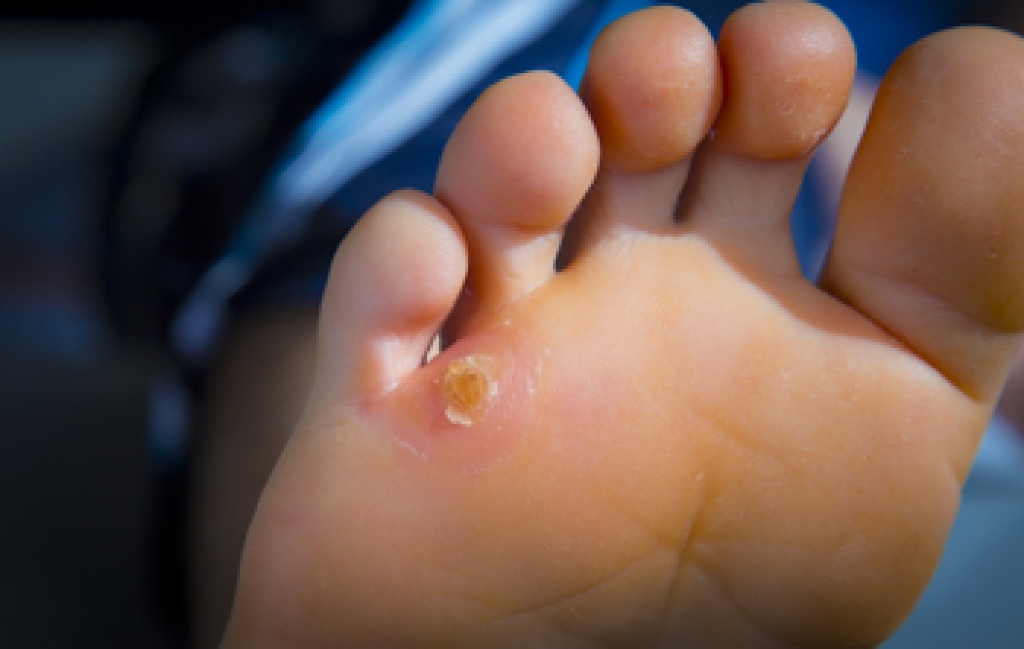
Corns and calluses are areas of thickened skin that develop when the feet experience repeated pressure or friction. Although they are similar, they often appear in different ways. Calluses usually cover a wider area and commonly develop on weight-bearing parts of the foot, such as the sole. Corns are typically smaller and may form on or between the toes. They can have a firm center that becomes painful when pressed. Poorly fitting footwear, changes in foot structure, and certain walking patterns can increase pressure on specific areas. Corns and calluses are the skin’s response to repeated stress, but ongoing discomfort may indicate that the source of pressure needs professional attention.
Symptoms depend on the location and thickness of the affected skin. A callus may feel rough or hardened, while a corn can cause more focused pain when walking or wearing shoes. Some corns develop between the toes, where moisture can make the skin softer. Changes in toe position or foot shape may also create areas where skin repeatedly rubs against footwear. People with diabetes or poor circulation should take areas of damaged or thickened skin seriously, because foot complications can become more difficult to manage. Recurring corns and calluses should be evaluated to identify what is causing continued pressure or friction.
A podiatrist can examine corns and calluses and determine whether foot structure, footwear, or walking mechanics are contributing to the problem. Professional podiatric care may include safely reducing thickened skin and addressing areas of excessive pressure. A podiatrist can also evaluate related conditions, such as bunions or toe deformities, that may contribute to recurring symptoms. Treatment is based on the location and cause of the problem, with the goal of improving comfort and protecting foot health. If painful or recurring corns and calluses are making walking or wearing shoes uncomfortable, it is suggested that you consult a podiatrist for an evaluation and appropriate treatment options.
Corns can make walking very painful and should be treated immediately. If you have questions regarding your feet and ankles, contact Melissa C. Verde, DPM of Florida. Our doctor will treat your foot and ankle needs.
Corns: What Are They? And How Do You Get Rid of Them? Corns are thickened areas on the skin that can become painful. They are caused by excessive pressure and friction on the skin. Corns press into the deeper layers of the skin and are usually round in shape.
Ways to Prevent Corns There are many ways to get rid of painful corns such as:
Wearing properly fitting shoes that have been measured by a professional
Wearing shoes that are not sharply pointed or have high heels
Wearing only shoes that offer support
Treating Corns
Although most corns slowly disappear when the friction or pressure stops, this isn’t always the case. Consult with your podiatrist to determine the best treatment option for your case of corns.
If you have any questions, please feel free to contact our office located in Longwood, FL. We offer the newest diagnostic and treatment technologies for all your foot care needs.
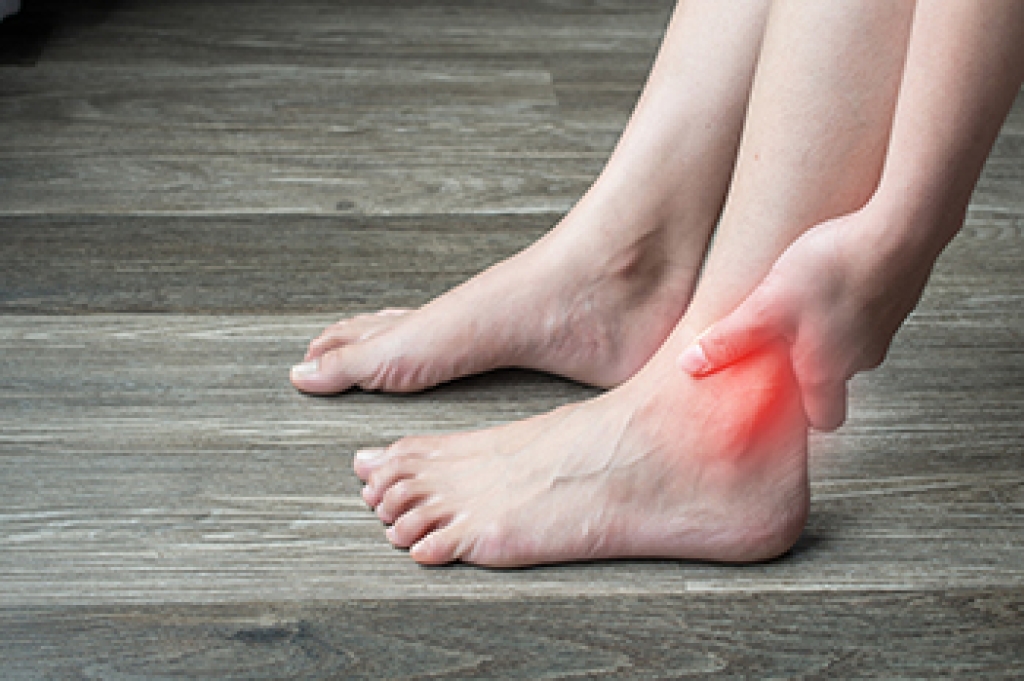
Ankle pain without a direct injury can seem unexpected, but several conditions can cause discomfort without a clear accident or fall. Arthritis, gout, and Achilles tendon injuries are among some of the problems that can all affect the ankle. Arthritis can cause pain, stiffness, and tenderness when the joint changes. Gout is a type of arthritis that can cause sudden, severe pain when crystals build up inside a joint. Bursitis develops when small fluid-filled sacs near the ankle become irritated. Fallen arches can also place extra stress on the feet and ankles. In addition, repeated activity can irritate the Achilles tendon, which connects the calf muscle to the heel.
A podiatrist can examine the foot and ankle to help determine what is causing the pain. The evaluation can include checking the ankle's movement, looking for swelling, and examining areas of tenderness. A podiatrist can also review your symptoms and ask about your activity level, previous foot or ankle problems, and other health conditions that could relate to the pain. Imaging tests can provide additional information when a structural problem is suspected. X-rays can show changes in bones and joints, while an ultrasound can help identify problems involving tendons. Finding the cause is important because treatment depends on what is behind the ankle pain.
Once the cause has been identified, a podiatrist can recommend an appropriate treatment plan. Treatment can include wearing supportive shoes or inserts, bracing, or medication, when appropriate. Some conditions require more specialized treatment, while severe tendon or joint problems can sometimes require surgery. A podiatrist can also monitor your progress and make changes to treatment based on your symptoms and examination findings. Ankle pain that appears without a direct injury should not be ignored, particularly when it is persistent, severe, or accompanied by swelling or stiffness. If you have ankle pain without direct injury, it is suggested that you schedule an appointment with a podiatrist for a diagnosis and appropriate treatment.
Ankle pain can have many different causes and the pain may potentially be serious. If you have ankle pain, consult with Melissa C. Verde, DPM from Florida. Our doctor will assess your condition and provide you with quality foot and ankle treatment.
Ankle pain is any condition that causes pain in the ankle. Due to the fact that the ankle consists of tendons, muscles, bones, and ligaments, ankle pain can come from a number of different conditions.
Causes
The most common causes of ankle pain include:
Types of arthritis (rheumatoid, osteoarthritis, and gout)
Ankle sprains
Broken ankles
Achilles tendinitis
Achilles tendon rupture
Stress fractures
Tarsal tunnel syndrome
Plantar fasciitis
Symptoms
Symptoms of ankle injury vary based upon the condition. Pain may include general pain and discomfort, swelling, aching, redness, bruising, burning or stabbing sensations, and/or loss of sensation.
Diagnosis
Due to the wide variety of potential causes of ankle pain, podiatrists will utilize a number of different methods to properly diagnose ankle pain. This can include asking for personal and family medical histories and of any recent injuries. Further diagnosis may include sensation tests, a physical examination, and potentially x-rays or other imaging tests.
Treatment
Just as the range of causes varies widely, so do treatments. Some more common treatments are rest, ice packs, keeping pressure off the foot, orthotics and braces, medication for inflammation and pain, and surgery.
If you have any questions please feel free to contact our office located in Longwood, FL. We offer the newest diagnostic tools and technology to treat your foot and ankle needs.


 Dr. Melissa
 Dr. Raluca